
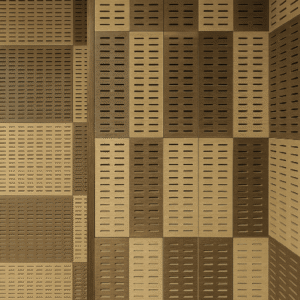

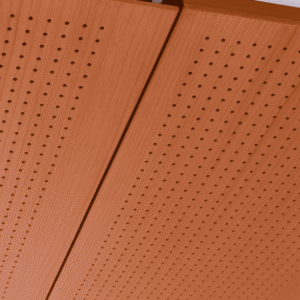
2000 Perforated Acoustic Wood Panel

Price range: $50.00 through $55.00

2000 Perforated Acoustic Wood Panel

Free Consultation For Your Project!

Subscription Form (#3)

Manufactured by Aksa Wood Panels®, the 2000 Perforated Acoustic Wood Panel is engineered with precision perforation technology to deliver a superior balance of architectural warmth and certified acoustic absorption.

Description

2000 Perforated Acoustic Wood Panel: High Sound Performance, Architectural Timber Finish

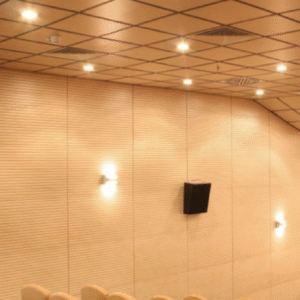
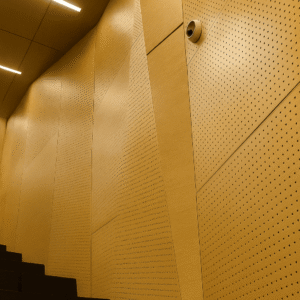
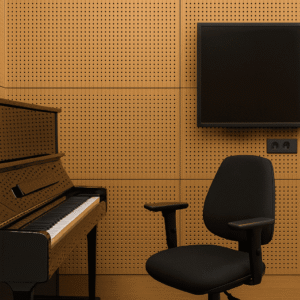
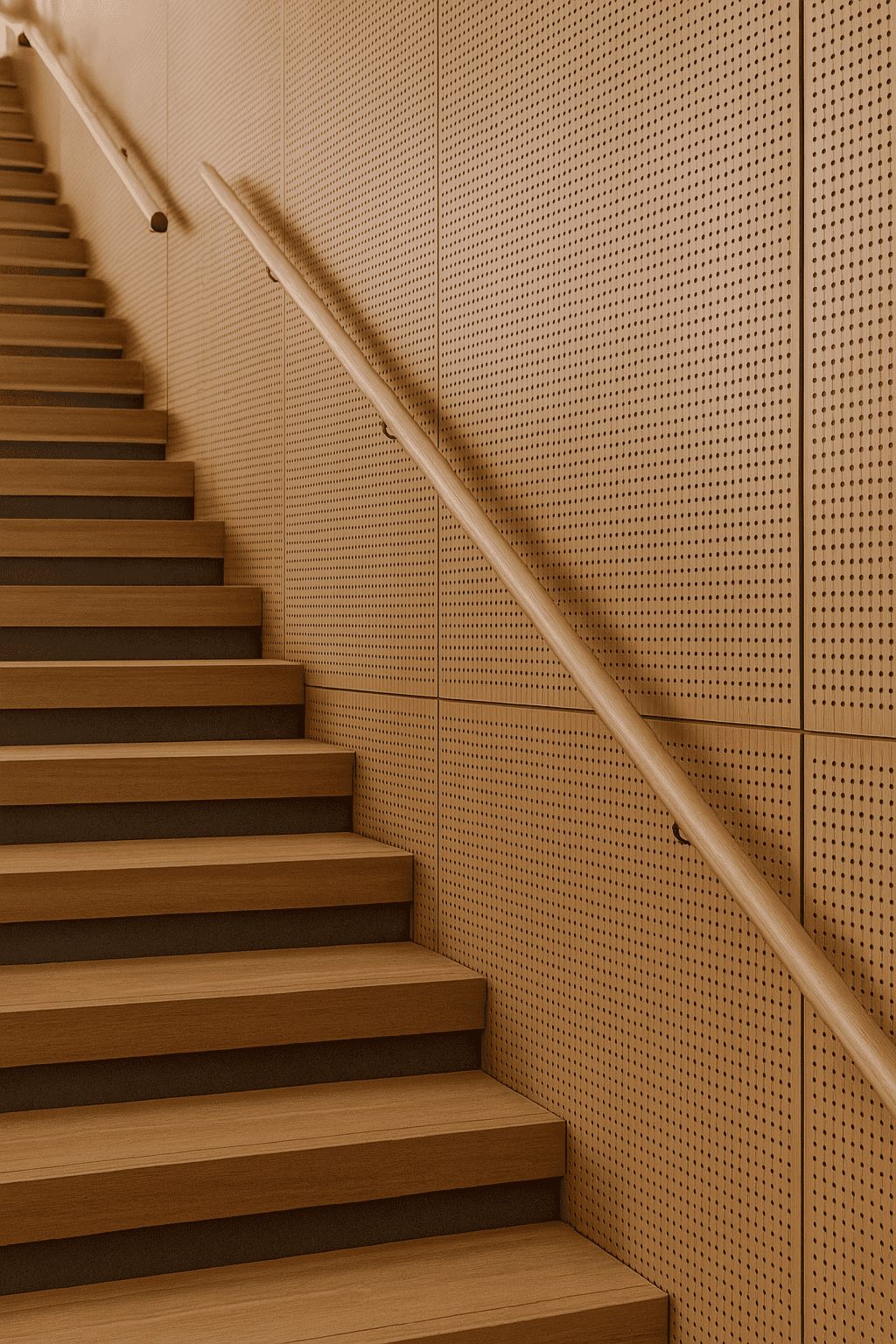
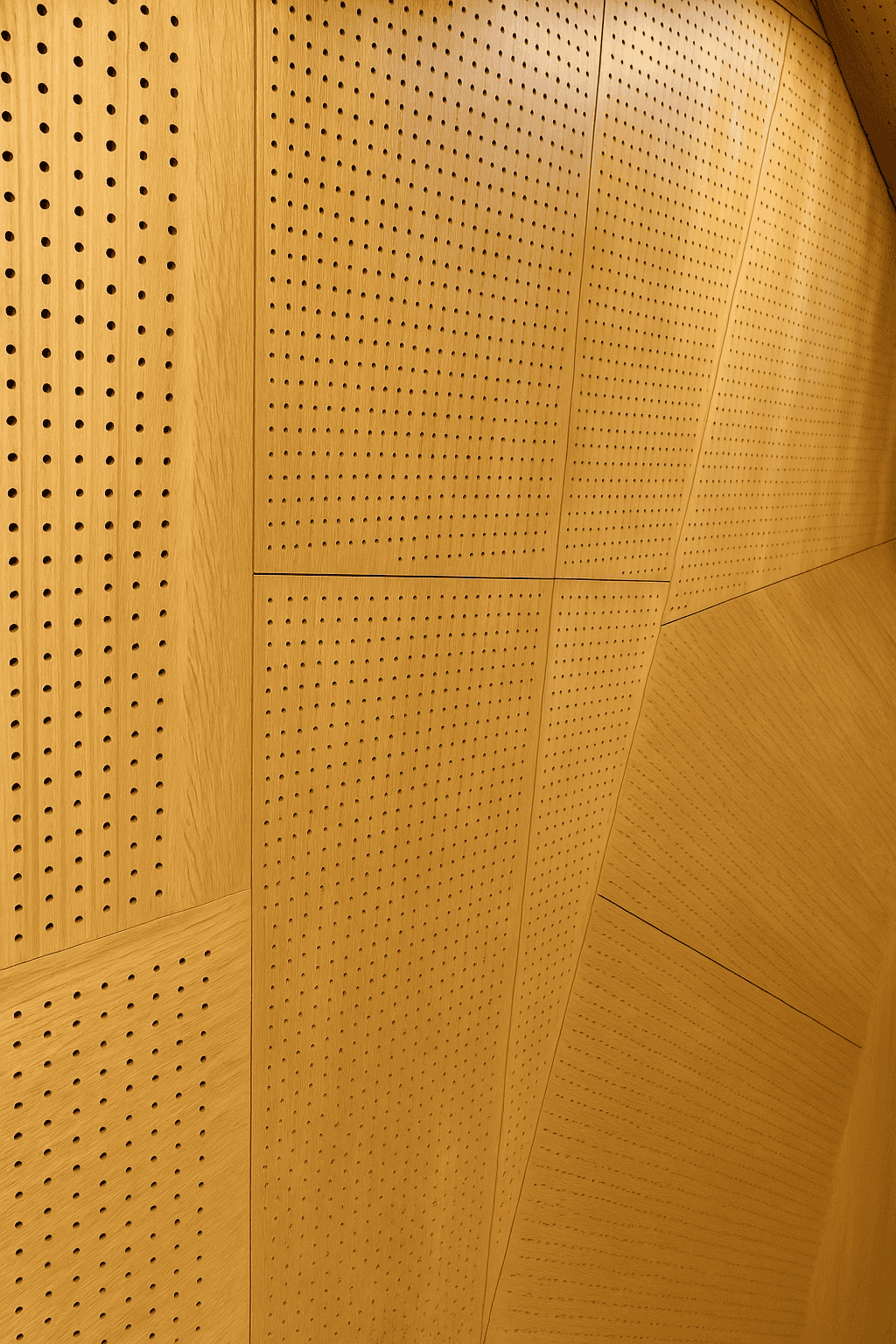
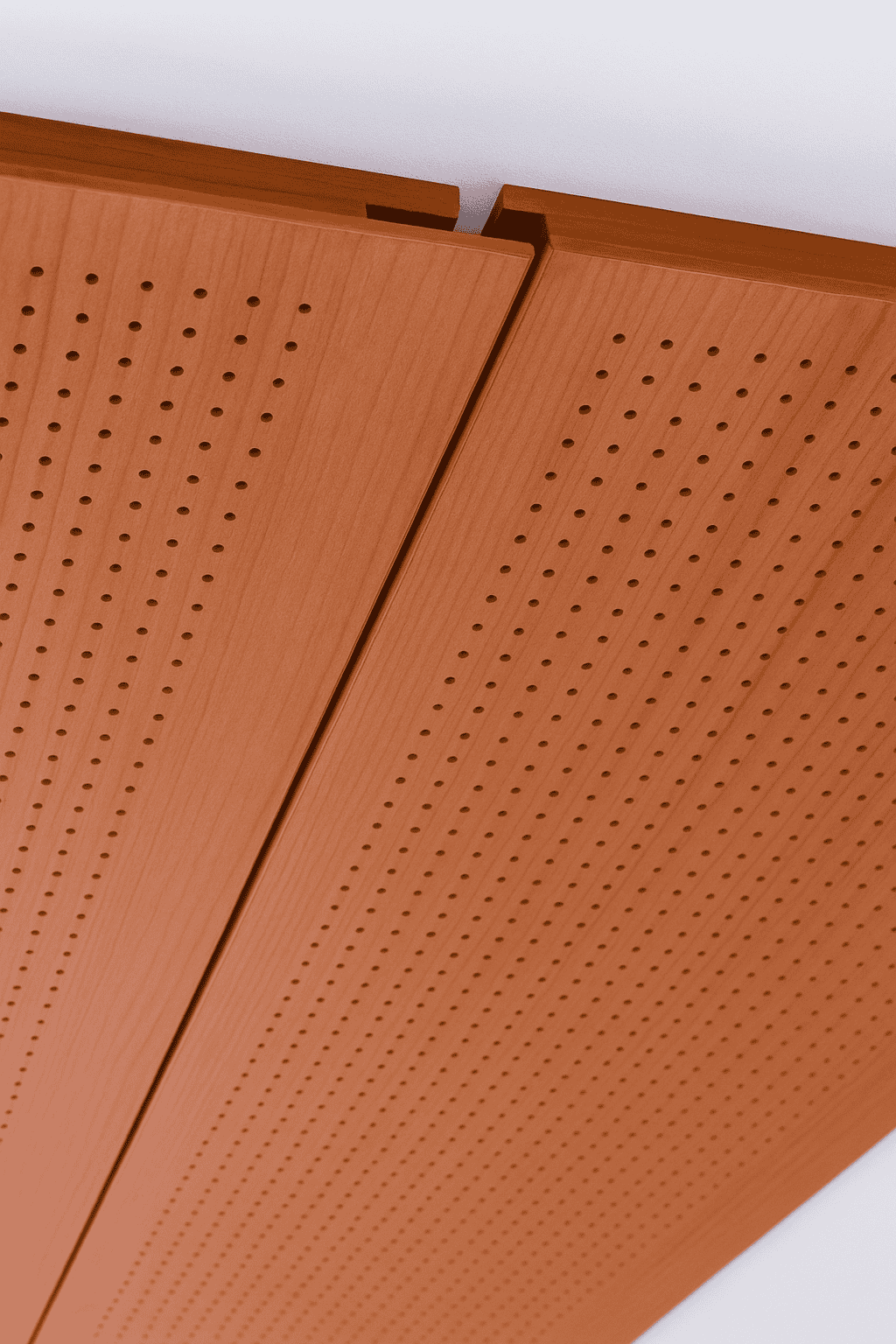
Manufactured by Aksa Wood Panels®, the 2000 Perforated Acoustic Wood Panel is engineered with precision perforation technology to deliver a superior balance of architectural warmth and certified acoustic absorption. By controlling sound wave reflections through Helmholtz resonance and precision perforations, this timber panel optimizes speech intelligibility and reverberation times across demanding interiors.

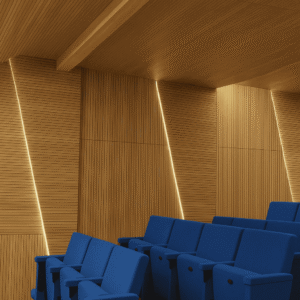
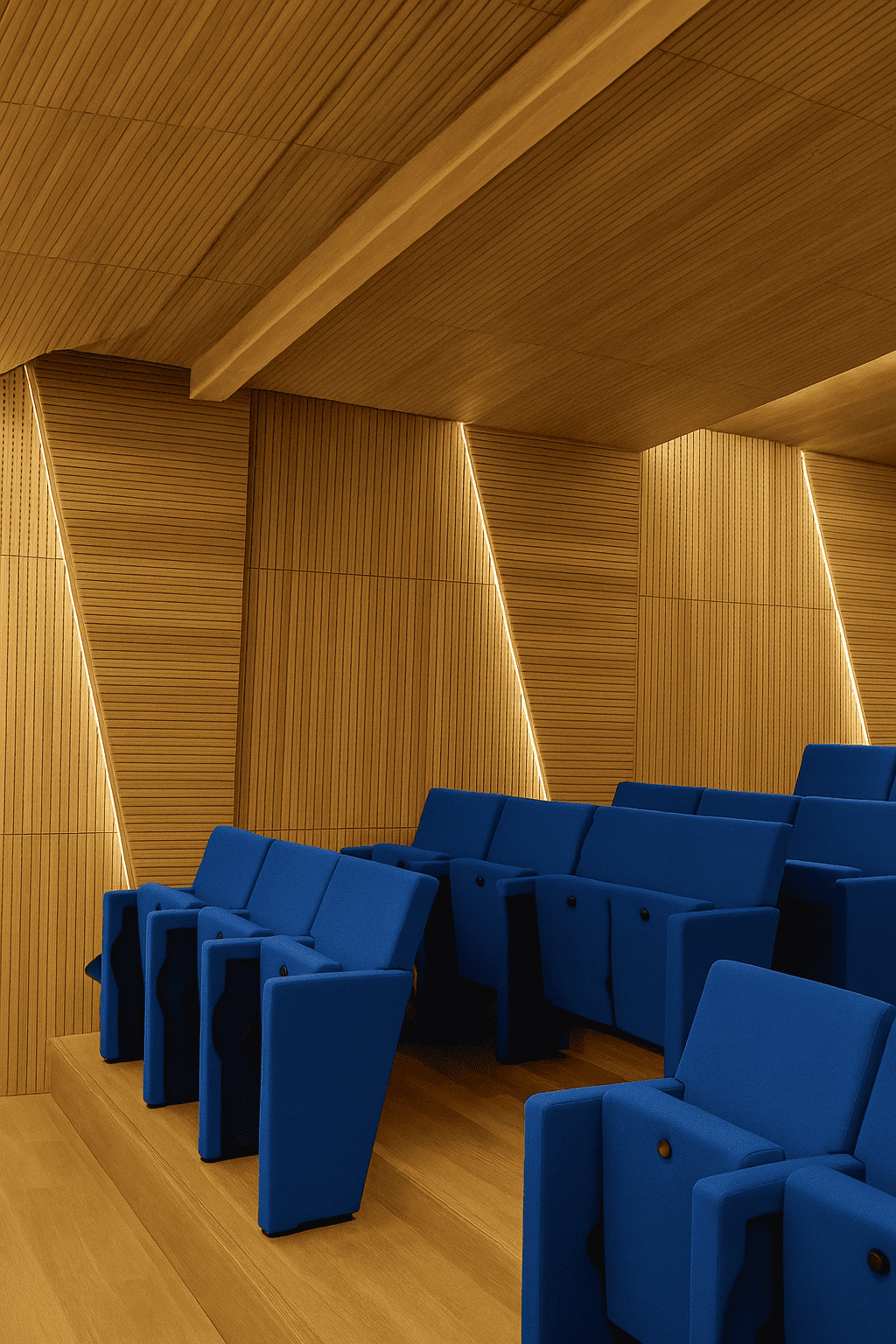
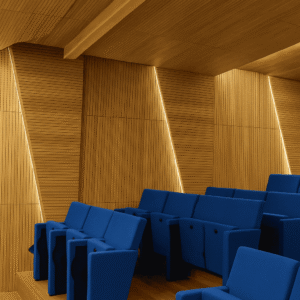
It provides an ideal acoustic treatment for high-capacity environments where echo suppression and sound clarity are paramount, such as auditoriums, theater halls, recording facilities, and corporate conference centers. The engineered perforation pattern mitigates flutter echoes and diffuses sound energy smoothly, ensuring natural vocal clarity and balanced musical acoustics.

Backed with an acoustic fleece and integrated with high-density rockwool or glass wool cavity insulation, the 2000 Perforated Acoustic Wood Panel achieves exceptional NRC ratings along with robust fire safety performance. Available in authentic natural wood veneers, durable melamines, and custom lacquer finishes, it functions effortlessly as an upscale acoustic wall cladding or ceiling system.

Designed to accommodate variable module dimensions, edge details, and timber tones, this modular cladding delivers long-term durability and acoustic control across commercial, educational, and civic architecture projects.

Perforated Acoustic Wood Panel Finish & Veneer Chart

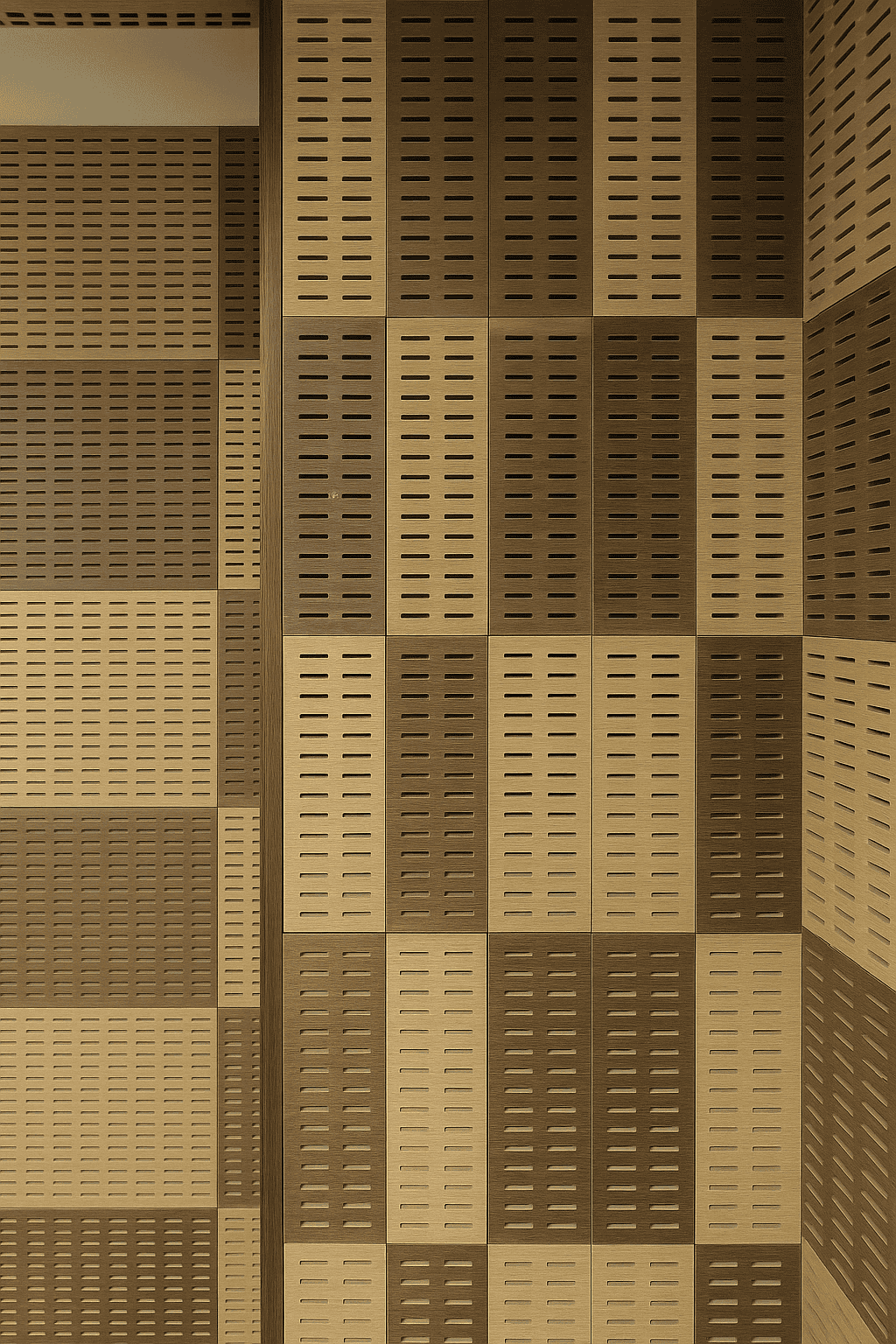
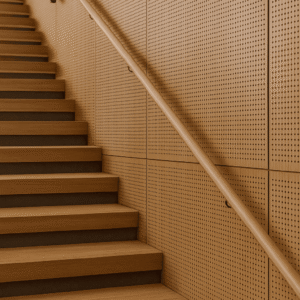
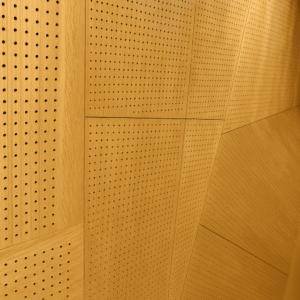
Our perforated wood acoustic panels are available in a broad range of authentic natural timber veneers (including Oak, Walnut, Ash, and Teak), contemporary melamine facings, and custom RAL/NCS lacquered sheens. Explore our finish palette below to match your architectural wood detailing and lighting layouts. Custom perforation hole diameters, pitch center distances, and project-specific panel sizes are readily available upon request for commercial projects.

Freequently Asked Questions

Applications & Areas of Use

  • Conference halls, convention facilities, and seminar auditoriums
  • Concert halls, orchestral practice suites, and live music rooms
  • Professional theaters, opera houses, and performance halls
  • Corporate presentation spaces and higher-education lecture rooms
  • Municipal chambers, parliamentary halls, and courtroom interiors
  • Cultural centers, historic heritage halls, and museum auditoriums
  • Architectural projects requiring precise acoustic modeling
  • Multi-purpose communal halls and institutional event venues
  • Luxury hotel ballrooms and private briefing suites
  • Professional live performance stages and rehearsal studios
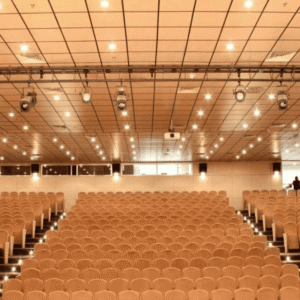
Installation Guide

  • Engineered for direct mechanical anchoring or installation onto treated timber battens or concealed aluminum sub-profiles.
  • Substrate walls and ceiling planes must be checked for structural level, dryness, and plumb alignment prior to fixing.
  • Panel edge joints must be symmetrically spaced and leveled to preserve uninterrupted grain and perforation continuity.
  • Panels can be angled or faceted during installation to guide specular sound reflections in directional acoustic designs.
  • Installed over an air cavity backed with high-density mineral wool or glass wool to maximize sound absorption across low-to-mid frequencies.
  • Panels are factory-finished in real wood veneer, high-pressure melamine, or factory-applied polyurethane lacquer.

Technical Specifications

  • Product Name: 2000 Perforated Acoustic Wood Panel
  • Core Substrate: Fire-Retardant MDF or Structural Plywood Core
  • Facing Finishes: Natural Timber Veneer, Melamine Foil, or Custom RAL Lacquer
  • Acoustic Mechanism: Perforated Helmholtz Resonance with Sound-Absorbing Black Fleece Backing
  • Cavity Insulation: 50–70 kg/m³ High-Density Rockwool or Glass Wool (Optional)
  • Noise Reduction Coefficient (NRC): 0.70 – 0.90 (EN ISO 354 / ASTM C423 Compliant)
  • Mounting Hardware: Concealed Metal Clips, Tongue & Groove Joints, or Sub-Frame Screwing
  • Fire Safety Rating: Class B-s1, d0 (EN 13501-1) / Class A (ASTM E84 Available)
Reflective wooden acoustic panels are designed to direct and diffuse sound energy in a controlled manner rather than absorbing it. By preserving acoustic vitality and optimizing sound reflection patterns, they enhance speech intelligibility and deliver natural acoustic balance, making them essential for live performance venues.
While acoustic absorption panels trap sound energy to reduce reverberation and eliminate echo, sound-reflecting panels redirect and distribute acoustic waves evenly across the room. They serve complementary purposes, frequently combined to maintain acoustic warmth without overdamping the space.
Reflective timber panels are ideal for concert halls, theaters, auditoriums, orchestra rehearsal rooms, parliamentary chambers, lecture halls, and large conference centers where unamplified sound projection and vocal clarity to the audience are paramount.
Yes. Depending on architectural specifications, panels can be manufactured with genuine natural timber veneers, engineered wood laminates, or durable melamine facings. Custom wood finishes, stains, and protective topcoats are fully tailored to your interior design concept.
Proper panel orientation and reflection angles are critical during wall or ceiling installation to ensure sound is targeted precisely toward listener zones. Panels must be mounted securely and symmetrically using concealed z-clips or heavy-duty mounting profiles according to acoustic ray-tracing plans.
The internal substrates and surface finishes are engineered using flame-retardant materials. They can be produced to meet Class A2 reaction-to-fire standards according to TS EN 13501-1, satisfying stringent public venue fire codes with non-combustible properties and low smoke emission.
Wood surfaces can be easily maintained by wiping them down with a soft, slightly damp microfiber cloth or using standard wood care products. Abrasive cleaning pads, bleaching agents, and aggressive industrial solvents must be avoided to safeguard the lacquer and natural veneer finish.

Related Products